Working Group 8: Building the GIBA toolkit: methods, models and technologies?
Building the GIBA toolkit: methods, models and technologies?
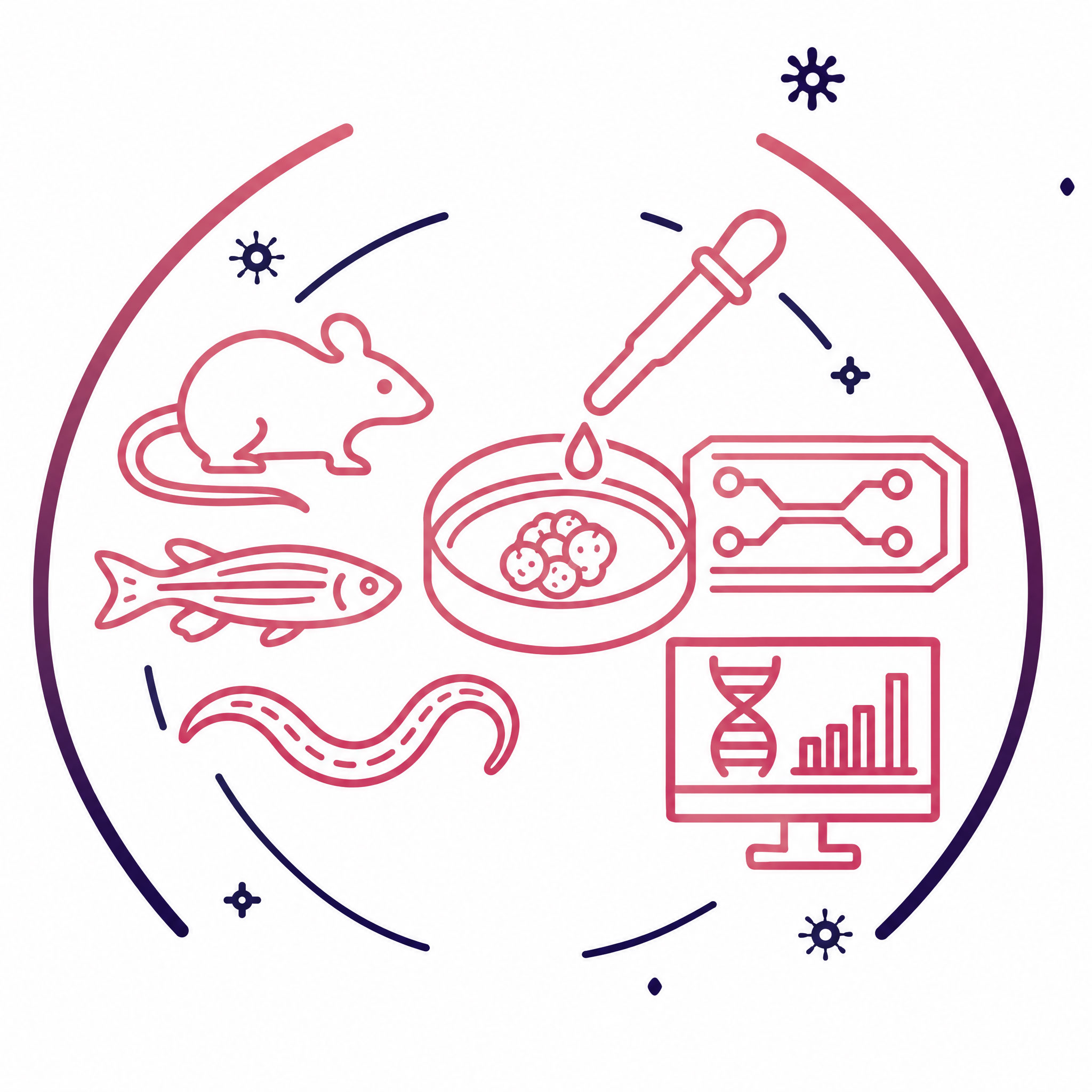
We are establishing a cross-disciplinary working group to bring together GIBA members who wish to collaborate, share expertise, and co-develop research tools, protocols, model systems, and emerging technologies to study the gut-immune-brain axis (GIBA). The group will connect researchers across the UK working with a broad range of experimental approaches, including in vitro systems, including organoids, organs-on-a-chip, microfluidic platforms, and iPSC-derived models, alongside computational approaches, advanced imaging, and multi-omics technologies. The group will also encompass expertise in vivo models such as Caenorhabditis elegans (C. elegans), zebrafish, mouse models of neurological and gastrointestinal health, and bioengineered in vivo platforms for investigating host-microbe and neuroimmune interactions. By bringing together researchers working across these complementary systems, the group will facilitate the development, validation, and application of innovative methods to explore the cellular, molecular, microbial, and immune mechanisms underlying gut-brain communication. Activities will include opportunities for practical training, knowledge exchange, protocol sharing, and the development of collaborative resources to accelerate GIBA research across the UK.
Working Group Lead
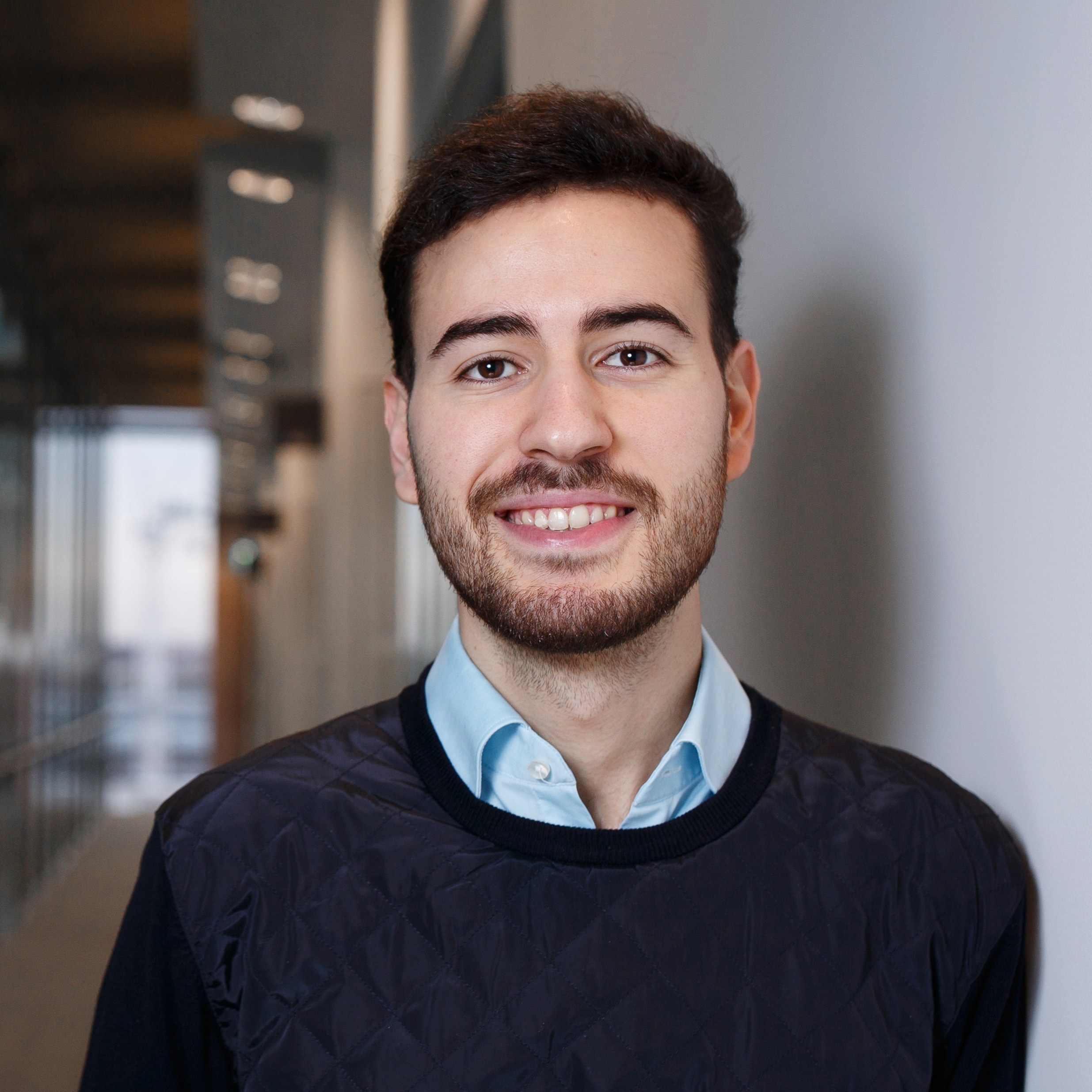
Dr Alvaro Castano-Medina
BBSRC GIBA Research Fellow
More Info
Dr Alvaro Castano-Medina
BBSRC GIBA Research Fellow
Dr Alvaro Castano-Medina is a BBSRC GIBA Research Fellow, Postdoctoral Research Associate, University Of Cambridge.
Jessica
Co-Lead of the GIBA Network+
Jessica Teeling is a Professor of Experimental Neuroimmunology at the University of Southampton.
She leads a dynamic research group exploring how systemic inflammation, including gut infections, affects brain function. Her team integrates in vivo models and human cohort studies to investigate neuroinflammation in dementia, aiming to develop innovative therapeutic strategies and identify diagnostic and prognostic biomarkers.
Her research is supported by UK Research and Innovation, Alzheimer’s Research UK, Alzheimer’s Society, the Lewy Body Society, and industry partners.