Working Group 5
How can we modify nutrition and/or the microbiome to impact health across the lifespan?
Investigating the links between nutrition, the gut microbiota, and GIBA and their impact on health across the lifecourse.
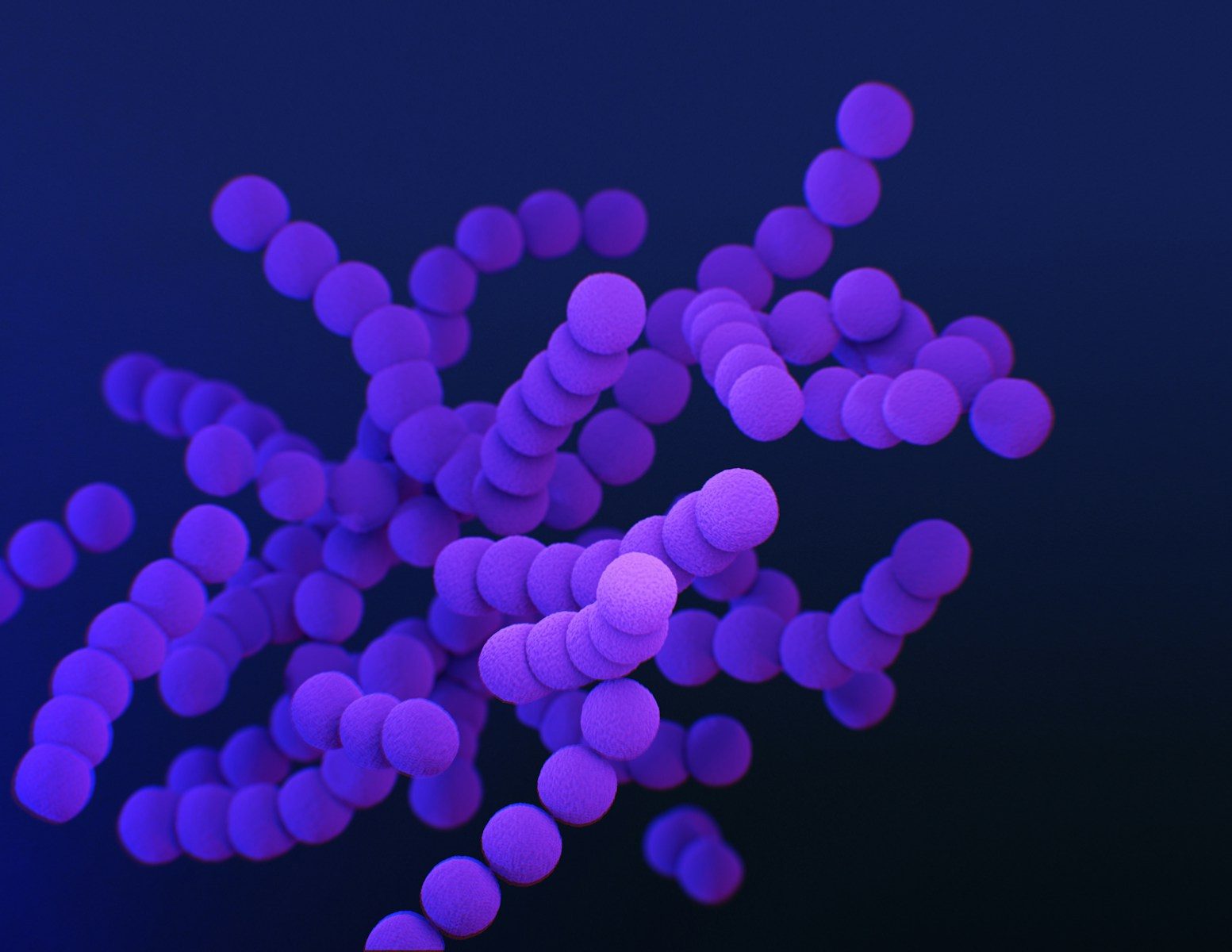
Over the past decades, emerging research has revealed links between the gut microbiome, diet, and neurological processes in the brain. However, understanding the underlying mechanisms of these associations and their impact on health across the life-course requires concerted interdisciplinary efforts between fields such as microbiology, bioinformatics, immunology, and neuroscience. Our working group aims to build research capacity and foster interdisciplinary collaborations to address these challenges and advance our understanding of how the microbiome and diet influence the gut-immune-brain axis.
Working Group Leads
Alexandre Almeida
Research training lead
Alex is a Group Leader at the University of Cambridge, where he leads a research team developing and applying bioinformatics approaches to understand the human microbiome’s role in health and disease.
Using large-scale metagenomic methods, his work led to the discovery of thousands of uncultivated bacteria and viruses in the human gut microbiome. Since 2022, Alex has held an MRC Career Development Award fellowship dedicated to characterising the relevance of this newly uncovered microbial diversity to human health and disease. His current research explores the potential of the human microbiome for disease prediction, diagnosis, and treatment, with projects focusing on neurodegenerative diseases and ageing.
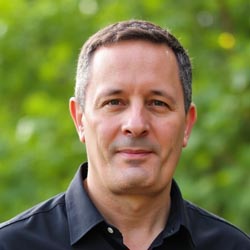
David Vauzour
Associate Professor in Molecular Nutrition at University of East Anglia, Norwich Medical School
David’s research has focused on oxidative stress, free radical biochemistry, neurodegeneration, and the health effects of dietary polyphenols, particularly flavonoids. His major research interests center on two functionally related areas of biomedical science: (1) elucidating the cellular and molecular mechanisms underlying the toxicity exerted by endogenously formed compounds, as well as exogenous agents, believed to contribute to various degenerative diseases; and (2) investigating the cellular and molecular principles underlying the protective effects of potentially beneficial natural compounds.
Specialties: flavonoids; brain; neurodegenerative disease; neurobiology; cognitive performance; signal transduction, receptors, second messengers, protein phosphorylation; neuroinflammation; antioxidant activity; oxidative stress; primary neuronal cultures.