4 November 2026
Connect, Create, Collaborate: Edinburgh hosts UK’s growing GIBA research community
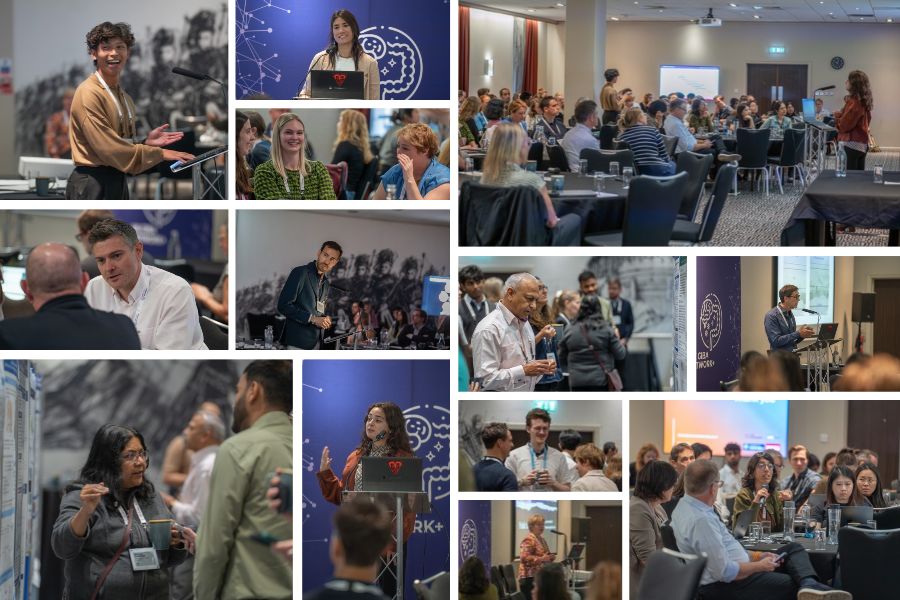
Researchers from across the UK gathered in Edinburgh this autumn for the UK Gut-Immune-Brain Axis (GIBA) Network+ Annual Meeting.
The two-day event, which featured a dedicated Early Career Researcher (ECR) Day, was held under the theme Connect, Create, Collaborate.
It brought together members from across the network to share research, build new partnerships and shape future directions for gut-immune-brain axis research.
Inspiring research excellence
The annual meeting featured updates on network activities, collaborative discussions, networking sessions and presentations from funded researchers and fellows.
Delegates also heard a keynote lecture from Wageningen University’s Professor Jerry Wells and explored opportunities to strengthen collaboration across disciplines and institutions.
Discussions focused on advancing understanding of the gut-immune-brain axis and maximising the impact of the UK’s growing research community in this field.
The ECR Day provided a programme focused on skills development, networking and career progression. Participants took part in flash presentations showcasing emerging research, alongside sessions covering science communication, fellowship applications, funding opportunities and pathways to translating research into real-world impact.
‘Remarkable expertise’
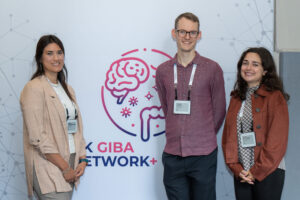
Professor Jonathan Swann, Director of the UK GIBA Network+, said:
“Our annual meeting demonstrated the remarkable breadth of expertise within the GIBA community. By bringing together researchers from different disciplines and career stages, we are creating the partnerships, ideas and opportunities that will drive the next generation of discoveries in gut-immune-brain axis research.
“It was particularly encouraging to see the enthusiasm and creativity of our early career researchers, who will play a vital role in shaping the future of the field.”
The GIBA Network+ recently surpassed the milestone of having over 1,000 members.
It is supported by the Biotechnology and Biological Sciences Research Council, and led by researchers from the University of Southampton, University of Cambridge, King’s College London and the Quadram Institute.