20 November 2026
New African network launched to advance gut–immune–brain research
A new Africa-wide research network has been launched to accelerate discoveries and foster international collaborations investigating the gut-immune-brain axis (GIBA).
Building on the success of the UK’s GIBA Network+, the new initiative will bring together scientists, clinicians and social researchers from across Africa.
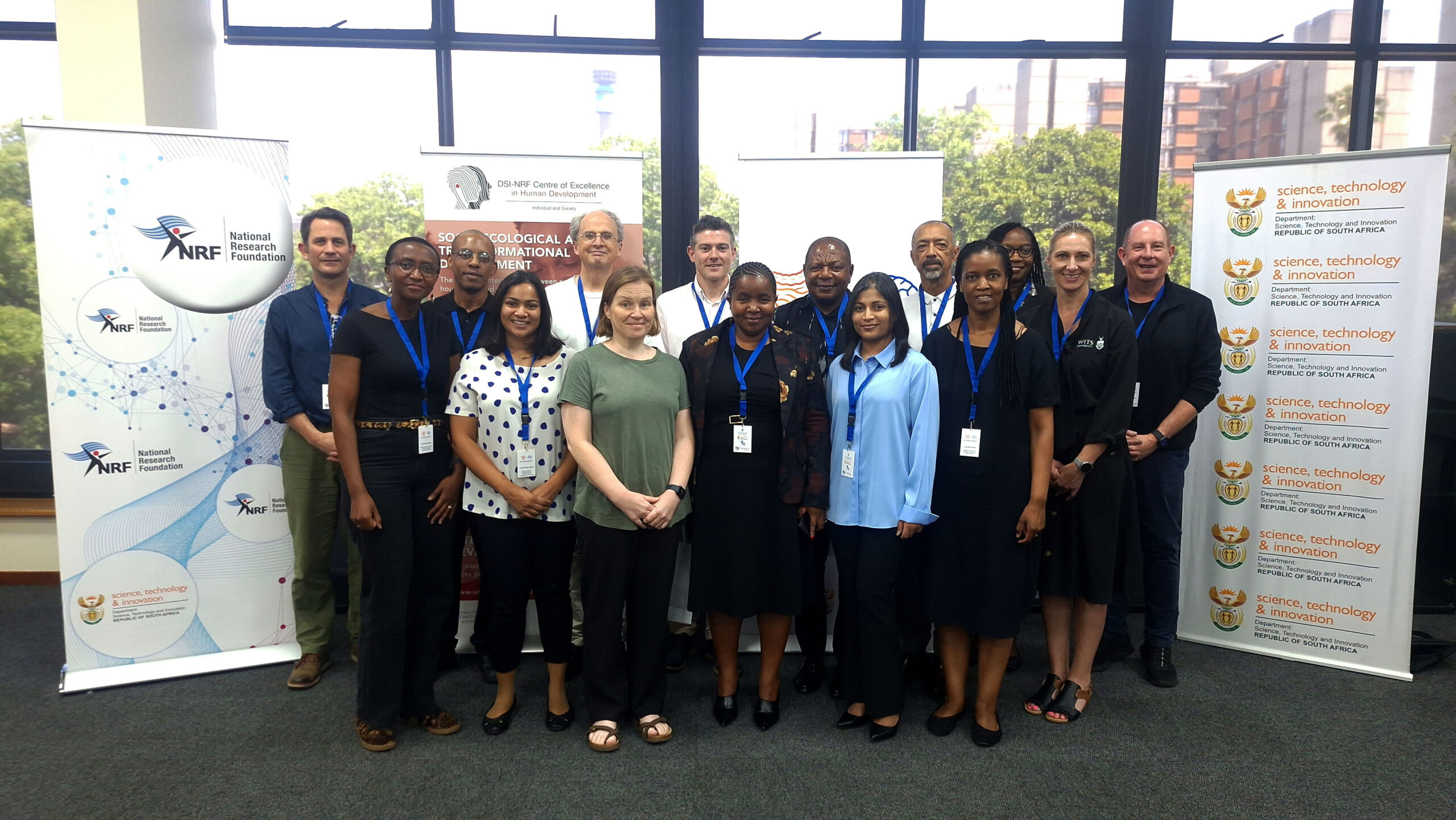
The Gut-Immune-Brain-Axis Africa (GIBA-A) Network was officially launched in Johannesburg on Thursday 12th November.
What is GIBA?
Our gut, immune system and brain are continuously exchanging signals.
Growing evidence suggests these interconnected systems play an important role in physical health, cognitive development and mental wellbeing throughout life, while also being influenced by factors such as diet, lifestyle and social environments.
The GIBA-A Network will unite researchers from disciplines including neuroscience, immunology, microbiology, nutrition, psychology, epidemiology, data science and the social sciences. By bringing together expertise from across these fields, the network aims to generate new insights into how biological processes interact with people’s lived experiences, community contexts and healthcare needs.
A key priority for the network is strengthening research capacity across Africa. Through training opportunities, mentorship, skills exchange and collaborative projects, GIBA-A will support the development of the next generation of researchers, particularly postgraduate students and early-career investigators.
From vision to impact
The network is hosted by the NRF-DSTI Centre of Excellence in Human Development at the University of the Witwatersrand and is supported by South Africa’s Department of Science, Technology and Innovation and the National Research Foundation.
Professor Shane Norris is the Chair of the Steering Committee for the GIBA-A Network. He is a Professor of Global Health at the University of Southampton and a Visiting Professor at University of the Witwatersrand. He said:
“The launch of GIBA-A represents an important opportunity to build a connected community of researchers across Africa around one of the most exciting and rapidly developing areas of health research. The gut–immune–brain axis offers a powerful framework for understanding how biological, environmental and social factors shape health throughout the life course.
“By bringing together expertise from multiple disciplines and countries, we can develop research that reflects African realities, strengthens research capacity and generates knowledge with the potential to improve health outcomes both across the continent and globally.”
Global collaboration
The GIBA-A Network is modelled on and aligned with the UK GIBA Network+, which is funded by the Biotechnology and Biological Sciences Research Council.
The partnership will create opportunities for knowledge exchange and international collaboration while ensuring African expertise, priorities and leadership drive the network’s direction and activities.
Professor Jonathan Swann, Director of the UK GIBA Network+, said:
“The challenges and opportunities associated with gut–immune–brain research are inherently global, and international collaboration is essential if we are to realise the full potential of this field.
“We are delighted to see the launch of GIBA-A and look forward to building strong partnerships between researchers in Africa and the UK. By connecting expertise, sharing knowledge and supporting new collaborations, we can accelerate discoveries that improve our understanding of health and disease and deliver benefits for populations around the world.”