Working Group 1
How does the GIBA influence cognition, mood and mental health?
Investigating the links between the Gut-Immune-Brain Axis and cognition, mood and mental health across the lifecourse.
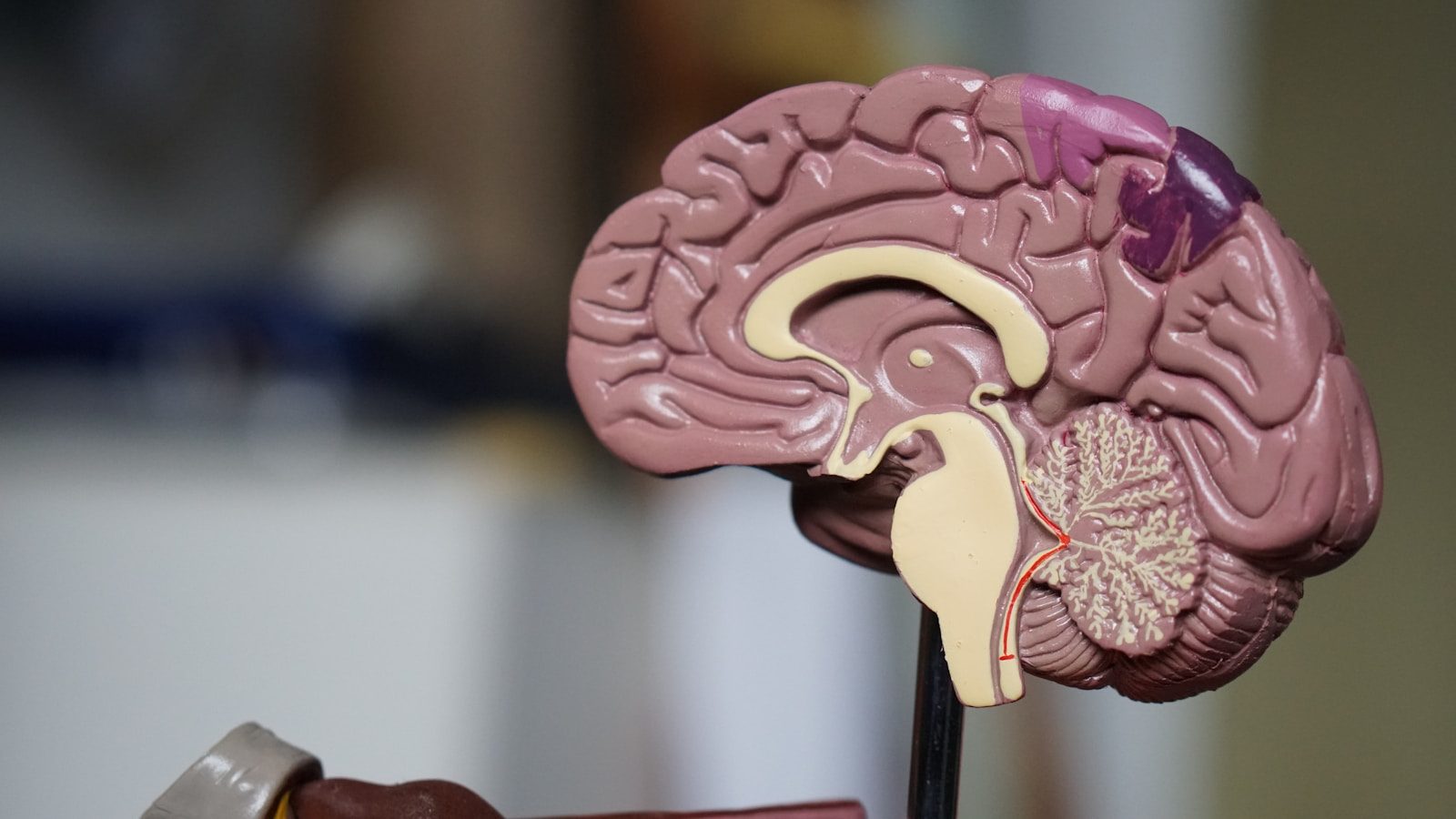
The Gut-Immune-Brain Axis (GIBA) is a communication network connecting gut microbes, immune signals, and the brain. Emerging research indicates that the signals from this network affect emotional and cognitive processes. When gut or brain barriers become compromised, inflammation can disrupt neural circuits involved in memory, mood, and behaviour. Our working group brings together researchers working across the GIBA Network to build capacity and collaboration addressing mechanistic pathways that regulate cognition, stress responses, and mental health, and how these influence vulnerability to conditions such as anxiety, depression, and neurodegenerative disease. Join us for our monthly discussion forum.
Working Group Leads

Lewis Hepburn
Doctoral Researcher at Leeds Beckett University
Lewis is a doctoral researcher at Leeds Beckett University, working across the Human Behavioural Neuroscience Lab and the Carnegie School of Sport.
Lewis’s research investigates the relationship between cognitive and metabolic health, with a particular focus on sleep, nutrition, and the gut–microbiome–brain axis. He is especially interested in how metabolic disorders such as diabetes influence cognitive processes, behaviour, and susceptibility to adverse health outcomes. His current doctoral project involves designing and leading a randomized, double-blind, placebo-controlled clinical trial to evaluate whether probiotic supplementation can enhance cognition, cerebral haemodynamics, and cardiometabolic health in overweight individuals with impaired glucose tolerance.

Ashley Bell
Post-Doctoral Researcher at Imperial College London
Ashley is a postdoctoral researcher at Imperial College London studying how microbiomes influence health and disease.
He works as a bioinformatician and molecular biologist, using genomic, transcriptomic, proteomic, and metabolomic data to study microbiome function. He is currently part of the EU-funded GEMMA project, applying multi-omics methods to identify biomarkers linked to autism spectrum disorder. His PhD at the University of Exeter focused on microbiome responses to environmental stress, antibiotic exposure, and host-specific effects, including antimicrobial resistance in aquaculture systems. He has also worked on marine and open-ocean microbiomes and has a strong interest in teaching and training.

Jessica Teeling
Co-Lead of the GIBA Network+
Jessica Teeling is a Professor of Experimental Neuroimmunology at the University of Southampton.
She leads a dynamic research group exploring how systemic inflammation, including gut infections, affects brain function. Her team integrates in vivo models and human cohort studies to investigate neuroinflammation in dementia, aiming to develop innovative therapeutic strategies and identify diagnostic and prognostic biomarkers.
Her research is supported by UK Research and Innovation, Alzheimer’s Research UK, Alzheimer’s Society, the Lewy Body Society, and industry partners.