‘Blue poo’ study launches to explore links between gut and brain function

Researchers are inviting people across the UK to turn their poo blue and play online brain games. 

The citizen science project from the Gut Immune Brain Axis (GIBA) Network+ is exploring whether the speed that food moves through your gut is linked to how quickly and accurately you can complete simple thinking tasks. 

The study team hope to gather data from thousands of participants, ranging from children aged five and over to older adults. 

The project’s launch has been featured this week by BBC News. 


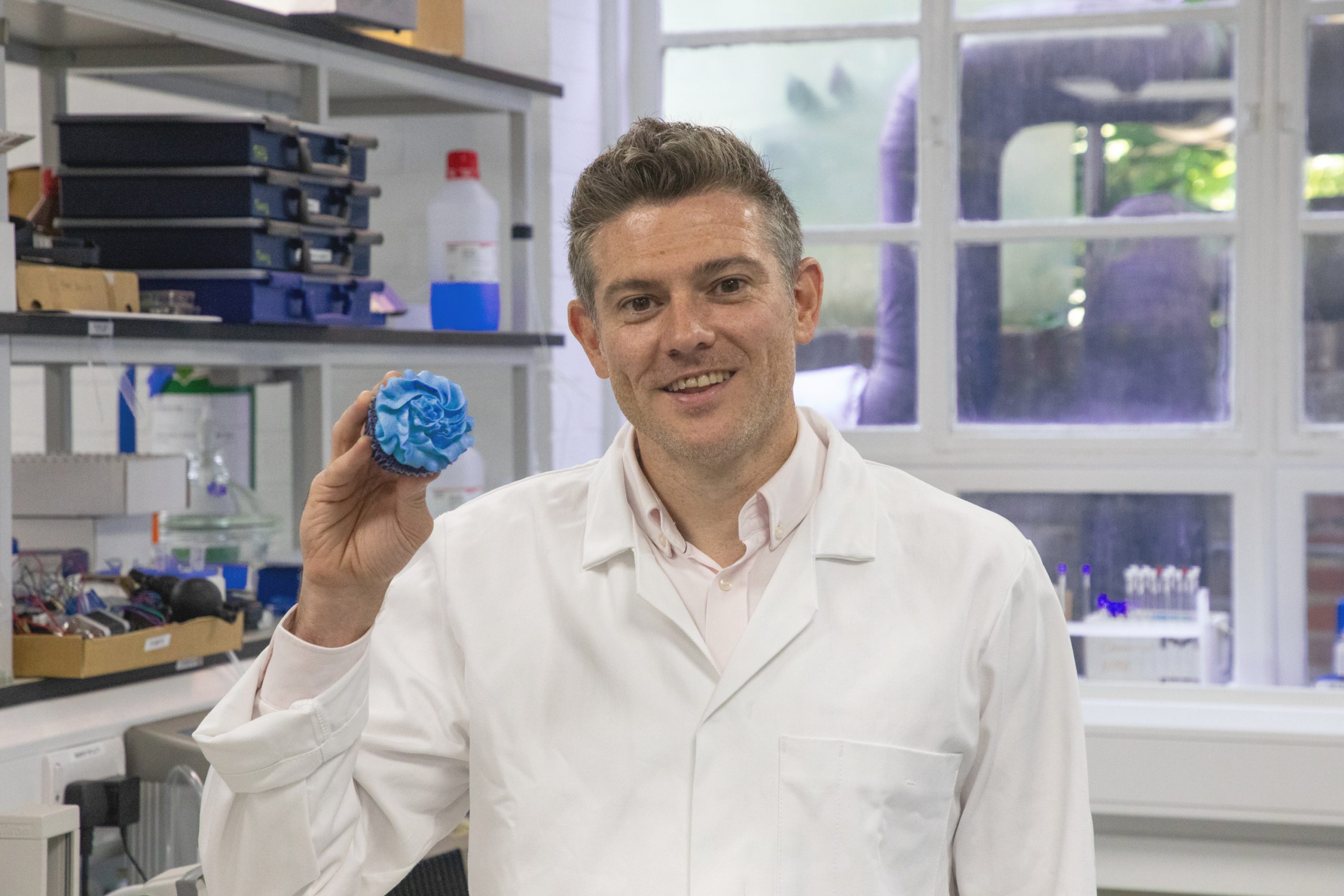
Tracking a blue muffin’s journey 

The study encourages participants to bake and eat specially coloured blue muffins and record how long it takes for the food dye to appear in their stool. 

These muffins can be baked at home using a simple vegan-friendly recipe. This includes a standard blue food dye purchased online. 

Alternatively, GIBA Network+ members can apply for engagement awards of up to £1,000 to order muffins and flyers that are then distributed at events and festivals across the country. 

Once participants have eaten the muffin, they measure how long it takes until they have a blue poo. 

They are then asked to play mini online games. These measure their problem-solving skills and decision-making under pressure. 

It takes roughly 10 minutes to play all of the games and participants are provided an instant summary of their results after completing them.  

Professor Jon Swann, Director of the GIBA Network+ and Professor of Biomolecular Medicine at the University of Southampton, said: 

“Everyone’s gut works at a different speed – it’s an indicator of gut function, and tells us something about our gut health. But we still don’t really know what that means for our brains. 

“By measuring how quickly these blue muffins pass through you, we can determine if a faster gut transit means a sharper mind – or if slower digestion changes how you think.” 


Links between gut and brain health 

The research aims to reveal more about the connections between gut and brain health.  

“We want to map out how gut-digestion times shift across age groups, sexes and regions, and how that correlates with brain performance,” said Professor Swann. 

“While faster digestion may sound better for health, there is likely a sweet spot. A slow gut transit means food takes days to move through our body potentially being broken down to chemicals that can affect our brain, but rapid transit time reduces our body’s ability to absorb water and important nutrients.” 

The GIBA Network+ is funded by the Biotechnology and Biological Sciences Research Council (BBSRC), part of UK Research and Innovation. 

Dr Amanda Collis, BBSRC Executive Director of Research Strategy and Programmes, said: 

“Research into the gut-immune-brain axis is revealing that the microbes and processes in our gut may influence far more than digestion alone. 

“Through the GIBA+ Network, BBSRC is supporting researchers to uncover how signals between the gut, immune system and brain affect health, behaviour and cognition. 

“The blue poo test is a brilliant example of how citizen science can help tackle these questions at scale. 

“By taking part, members of the public can contribute to research that could improve our understanding of the links between gut function and brain performance, while learning something fascinating about their own bodies in the process.”  

The researchers hope to publish results next year. 

Discover more about the study and how to take part at: giba-uk.org/blue-poo
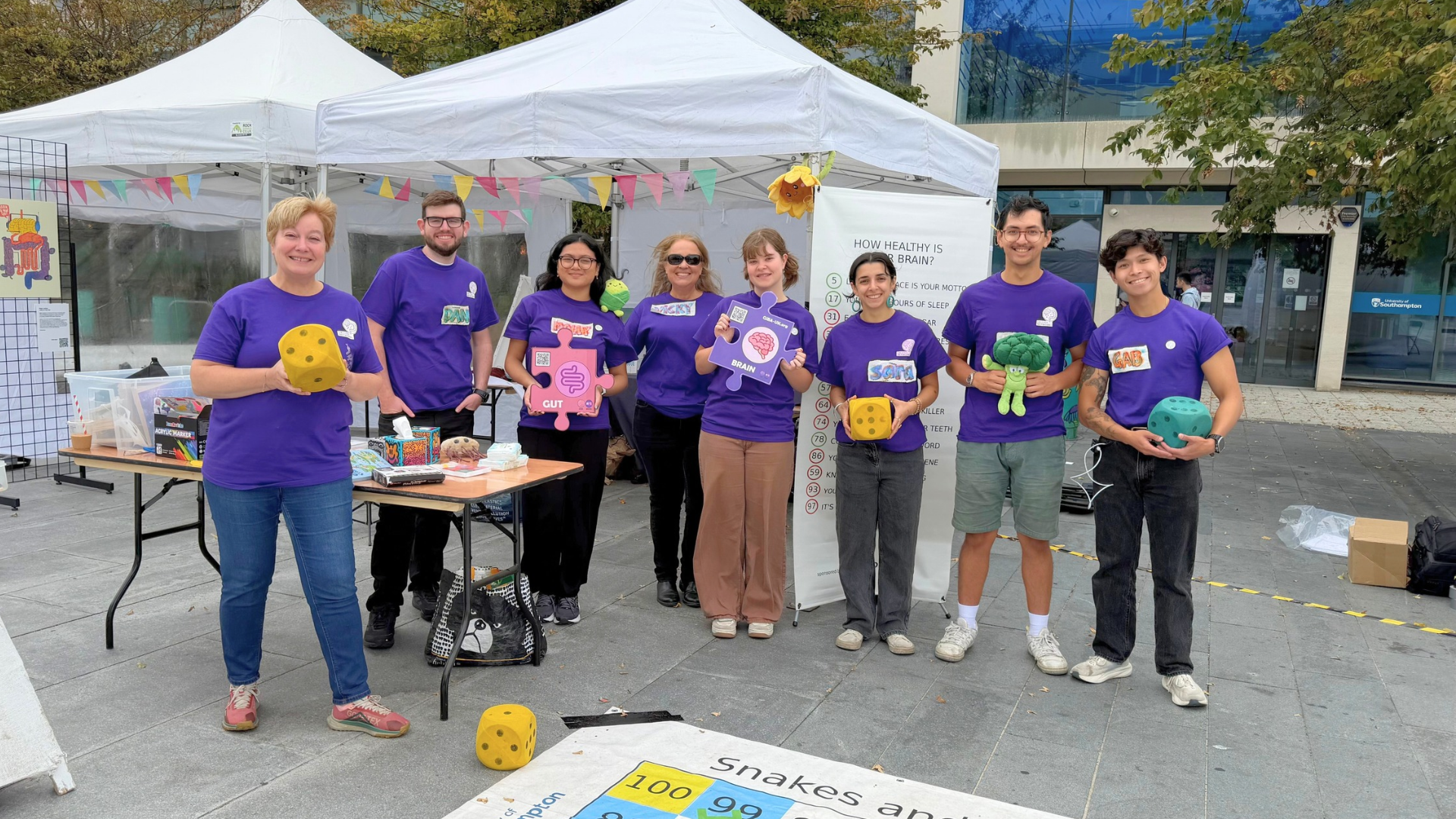
Celebrating the gut-immune-brain axis at the British Science Festival

The British Science Festival is one of the UK’s longest-running celebrations of science, offering opportunities for people of all ages to explore the latest research through hands-on activities and events. 

This year, the UK GIBA Network+ was proud to contribute to the festival programme in Southampton, inviting visitors to discover how food, culture and gut health can influence brain health and wellbeing. 

In this blog, Professor Jessica Teeling, co-director of the network, reflects on an inspiring weekend of public engagement, creativity and science communication. 


Our experience at this year’s British Science Festival was a wonderful celebration of creativity, curiosity and community. Through food, art, conversation and science, we invited people of all ages to explore the fascinating connections between the gut, immune system and brain. 

One of the highlights was our vibrant graffiti pyramid, which quickly became a focal point for visitors. Children, young people, parents, students and whole families picked up our spray paint pens and shared their favorite foods, alongside words and images capturing how food makes them feel. The wall filled with colorful drawings of everything from broccoli and strawberries, to pizza, rainbows, bacteria, phages and neural networks, alongside reflections on happiness, comfort, energy and wellbeing. It became a powerful visual reminder that food is not only part of our culture and identity, but also plays an important role in our physical and mental health. 

Visitors also explored an art gallery featuring work from professional artists who were shortlisted to interpret GIBA research and the science behind it through creative practice. These thought-provoking pieces offered new ways of understanding the relationship between our bodies, minds and communities. The exhibition marks the beginning of an exciting journey towards creating a large-scale public street artwork in Southampton, bringing conversations about gut and brain health, food and wellbeing into everyday public spaces. 

Adding to the festival atmosphere was a delicious selection of African plant-based street food, accompanied by music and drums that encouraged people to gather, share stories and connect through culture and cuisine. The food provided a perfect starting point for conversations about how dietary choices can influence gut health and, ultimately, brain health. 

Day 2 was all about celebrating the humble chickpea! 

Three BBSRC-funded networks, NucNet, GIBA and FAIR-Food, came together to explore how chickpeas can benefit our health, support the planet and help address food poverty. Visitors enjoyed interactive games designed by the Winchester School of Art, recipe cards, live cooking demonstrations and our giant Snakes and Ladders game exploring the role of chickpeas in gut and brain health. 

The day sparked fantastic conversations about gut microbes, hummus, mental wellbeing, sustainable diets and the potential for growing under-utilized crops in the UK, including chickpeas. It was a wonderful example of how science, creativity and food can come together to inspire new thinking about healthier and more sustainable futures.  Who knew a chickpea flapjack and black bean brownie were so delicious! 50 recipe cards were gone in a flash. 

None of this weekend of events would have been possible without the enthusiasm and dedication of our fantastic team of GIBA researchers and students, including Sara, Alex Dan, Molly, Mia, Kate, Vicki, Gabriel and Jessica. Their energy, creativity and willingness to engage with visitors transformed the events into a truly interactive experience. Together, we demonstrated how science can be accessible, inclusive and inspiring, creating meaningful conversations that will continue long after the festival has ended. 


GIBA Network
Privacy Overview

This website uses cookies so that we can provide you with the best user experience possible. Cookie information is stored in your browser and performs functions such as recognising you when you return to our website and helping our team to understand which sections of the website you find most interesting and useful.